· 3 min read
Artificial vs real plants: which suits your home or office?
Light, watering, pets, budget and how long you want the look to last. An honest comparison to help you decide where artificial plants make sense and where a real plant is the better pick.
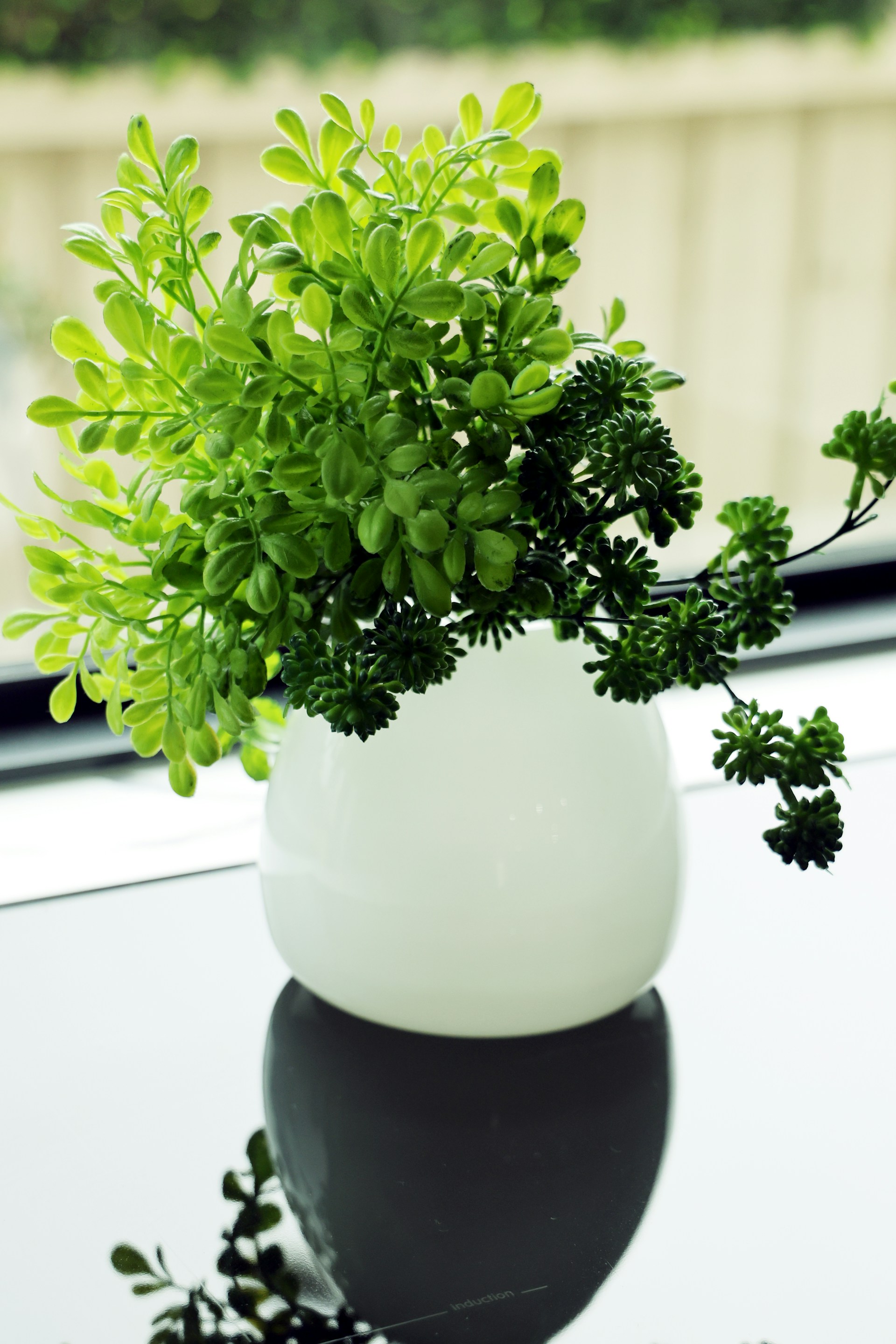
Most people don't need to choose one or the other for the whole house. The better question is which corner, desk or balcony suits which kind of plant. Here's how the two compare on the things that actually decide it.
Light: the biggest deciding factor
Real plants need the right light to stay healthy. A bathroom without a window, an inner office cabin, a dim corridor or a reception area lit only by tube lights will slowly starve most living plants.
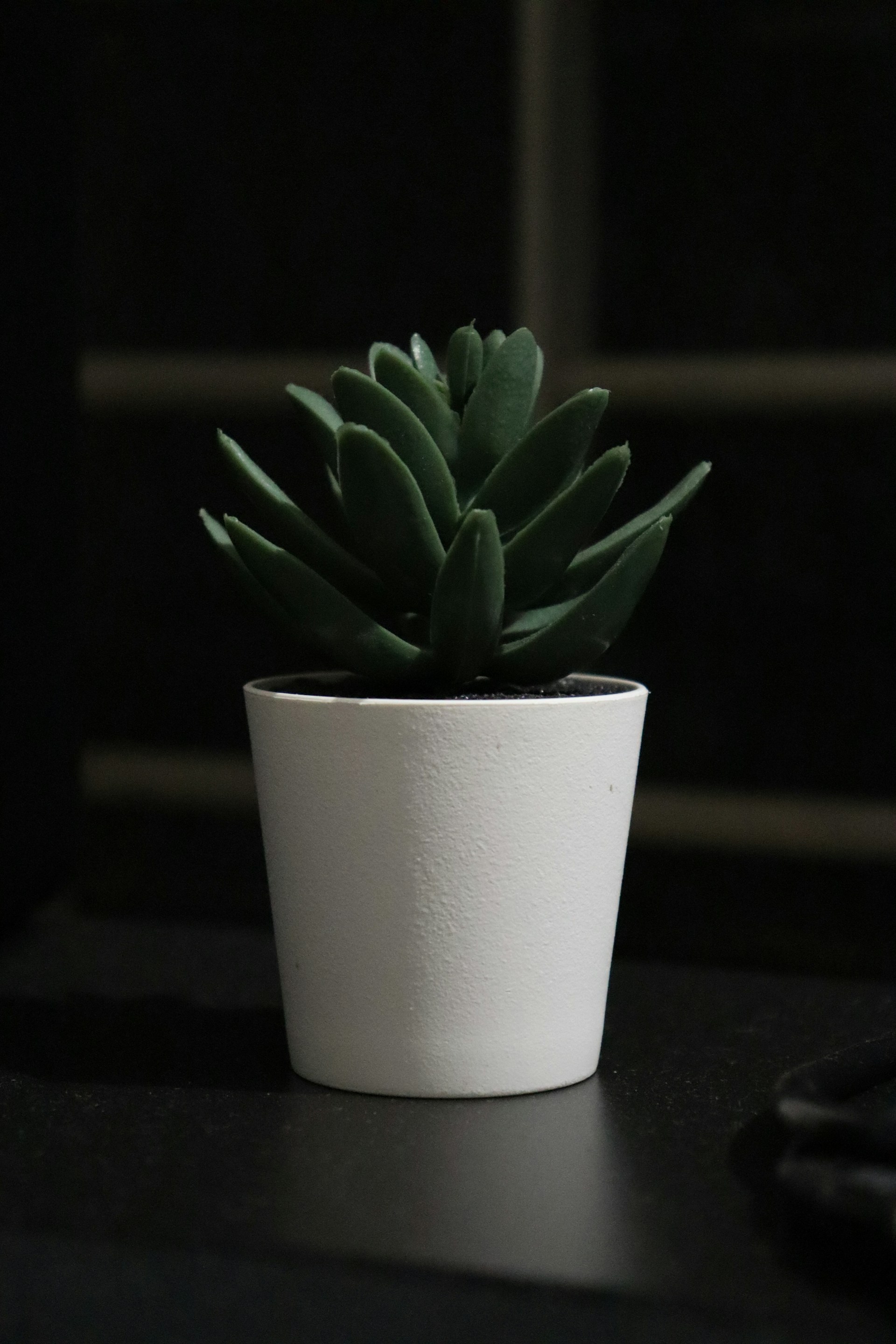
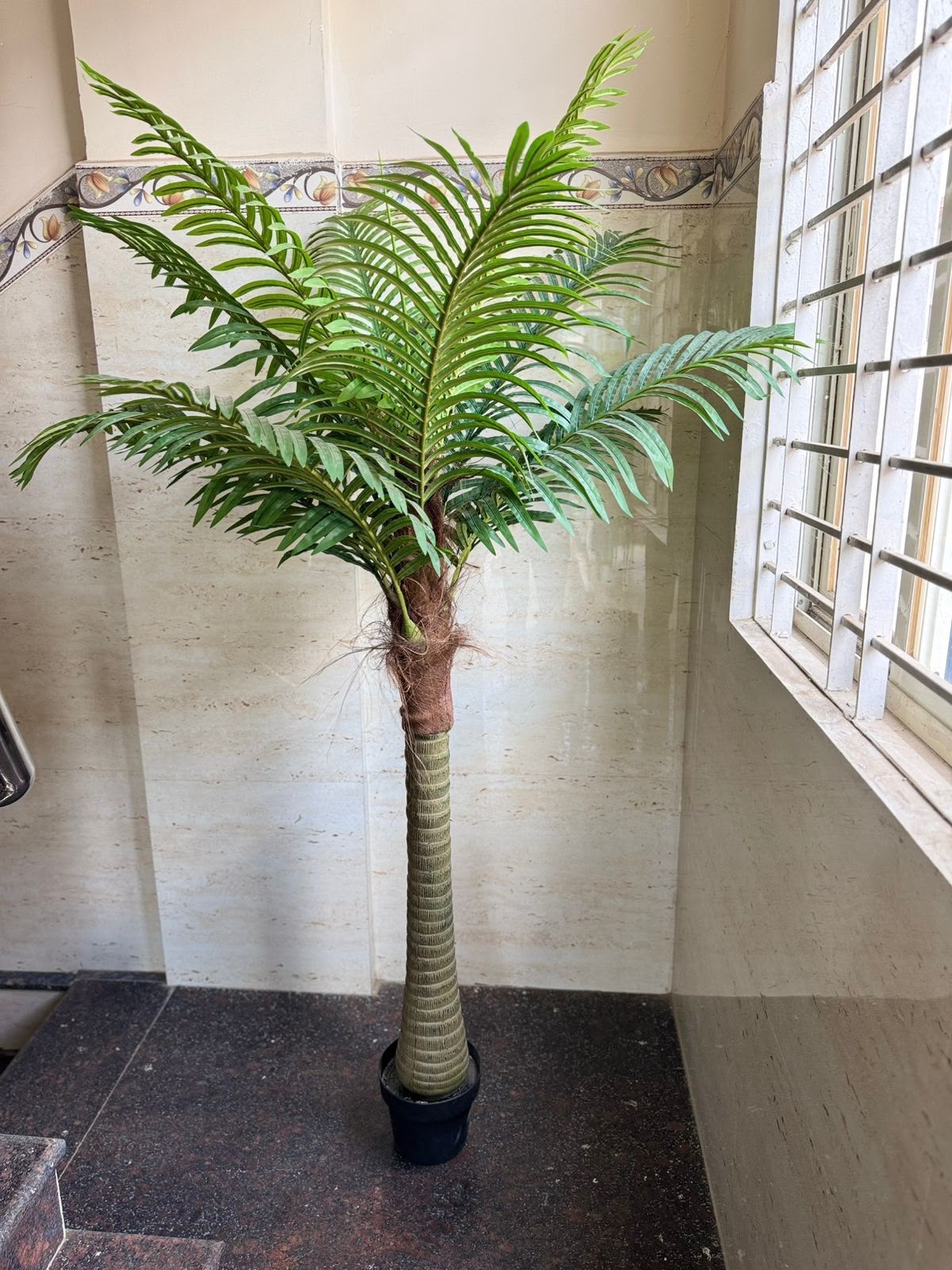
Artificial plants don't care about light at all. That's why they are most often used in exactly these spots: windowless rooms, deep corners of living rooms, lift lobbies and office receptions.
Rule of thumb: if a spot gets little or no natural light, go artificial. If it gets good indirect sunlight and someone will look after it, a real plant can do well.
Upkeep: watering, soil and leaf drop
A real plant needs watering, the occasional repotting, fertiliser and someone to care for it when you travel. Leaves drop and soil spills.
An artificial plant needs a wipe with a damp cloth or a soft brush every few weeks to keep dust off. There's no watering, feeding or leaf drop. For offices, rented homes and holiday homes that sit empty for weeks, this alone usually settles the decision.
Pets and small children
Some common houseplants are not safe if a pet or toddler chews on them, and wet soil attracts curious paws.
Artificial plants have no soil, pollen or fertiliser, which makes them a safer everyday choice around pets and kids. It's still sensible to keep any decor that gets chewed out of reach, since no plant, real or artificial, is meant to be eaten.
Outdoors: balconies and terraces
This is where quality matters most. Cheap artificial foliage fades to a dull grey-green within one summer of direct sun.
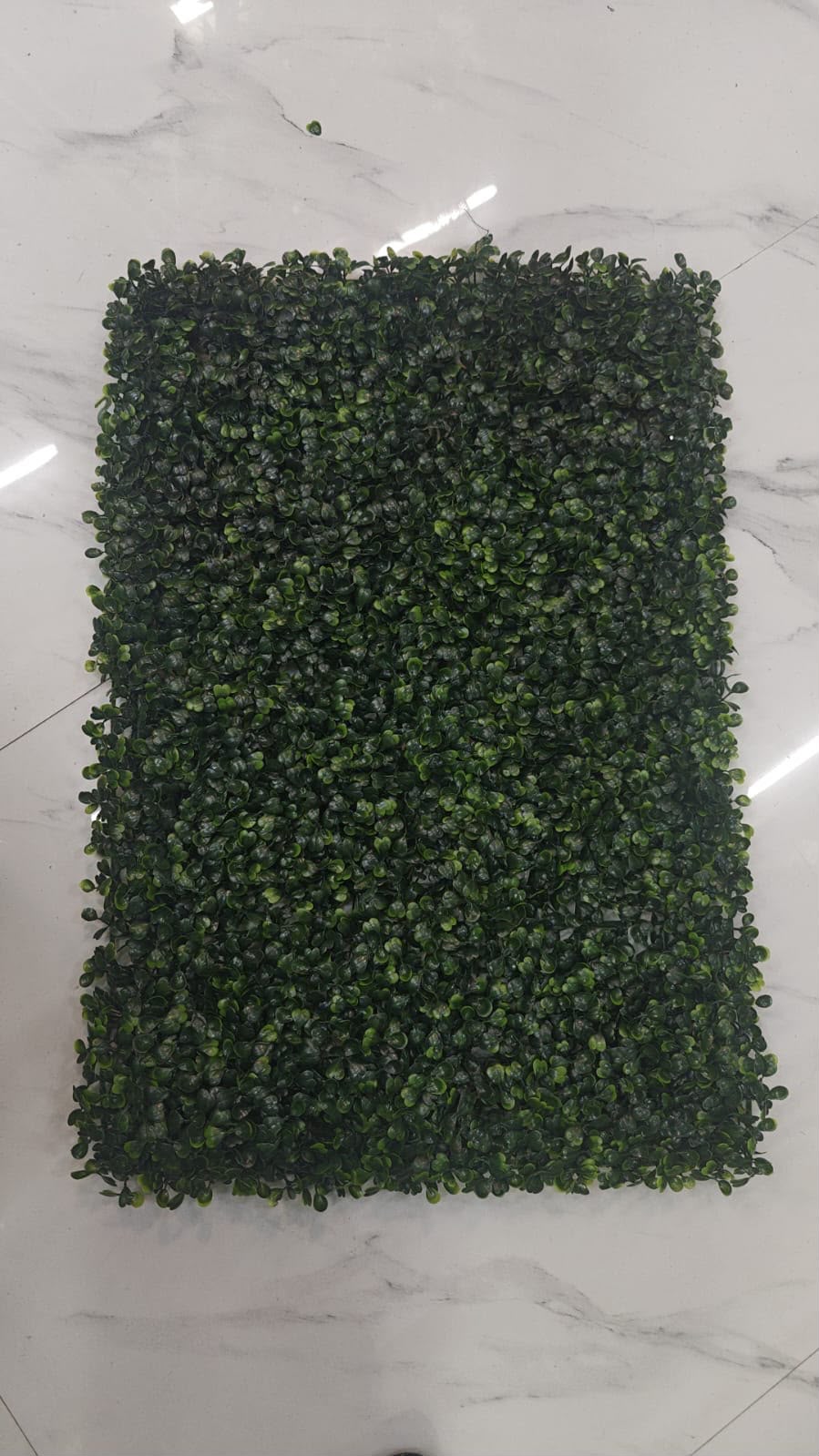
For balconies, terraces and building facades, look for UV-stable material. At Afloraa, the outdoor ranges (artificial grass, hedges and green wall panels) are made from UV-stabilised polyethylene so they hold their colour on open balconies. Indoor-only pieces should be kept out of long hours of direct sun.
Hedge and green wall panels also clip onto existing railings, grills and trellises, so there's no digging or cementing, which suits rented flats and gated societies.
How long the look lasts
A real plant changes with the seasons. Some years it thrives, some years it struggles. An artificial plant looks the same on day 500 as on day one, which is the point for a hotel lobby, a showroom or a reception wall that has to look finished every single day.
Cost over time
A small real plant is cheaper to buy than a good artificial one. But for large pieces, the comparison changes. A tall indoor tree that dies in a dark corner has to be replaced, and many offices pay for ongoing plant maintenance. An artificial tree is a one-time cost.
Quick comparison
| Real plants | Artificial plants | |
|---|---|---|
| Light needed | Yes, varies by plant | None |
| Watering and soil | Regular | None |
| Cleaning | Leaves, soil, pots | Dusting every few weeks |
| Pets and kids | Check each species | No soil or pollen |
| Outdoors | Depends on climate and care | Choose UV-stable ranges |
| Size options | Limited by what grows | Can be made to a custom size |
So which should you choose?
- Choose real plants for bright windowsills and balconies where someone enjoys looking after them.
- Choose artificial plants for low-light rooms, offices, receptions, rented homes, homes with pets, and any spot that must always look perfect.
Many homes use both: real plants where the light is good, artificial ones where it isn't.
If you're planning a space, browse our artificial plants and artificial trees, or send a photo of the spot on WhatsApp and we'll suggest a size and style that fits.